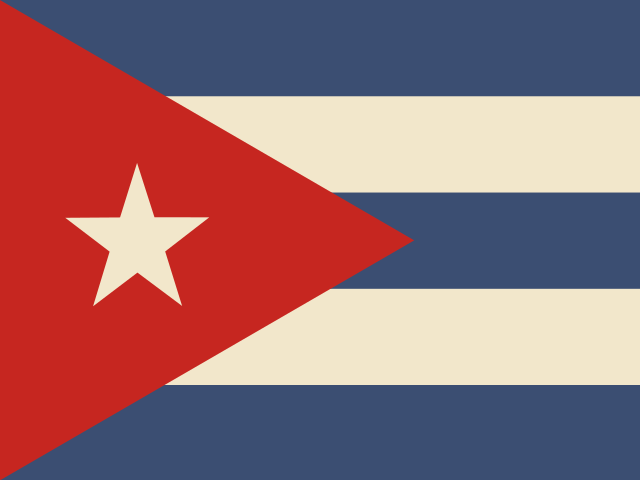
Cuba
- Capital
- Havana
- Language
- Spanish
- Money
- Cuban peso ($)
- Time
- UTC−05:00
- Dialling
- +53
- Emergency
- 106 police · 104 ambulance · 105 fire
- Drives on the
- right
- Plugs
- ABCL110 V · 60 Hz
Pick your passport
Visa data as of 16 Nov 2026 · for information only · check official source
Getting in
- Entry fee
- Not stated
- Departure tax
- Not stated
- Insurance
- Not stated
- Registration
- You must complete an online arrival form on the D’Viajeros traveller information portal within 72 hours before entering the country. If you need to use a taxi from the airport, make sure it’s a registered yellow taxi.
- Taking in
- You are not allowed to bring drones into Cuba. You cannot take meat products, milk, fresh fruit, vegetables, seeds or organic matter into Cuba, with some exceptions.
- Jabs
- Routine vaccines · COVID-19 · Chikungunya · Hepatitis A · Hepatitis B · Measles · Monkeypox · Rabies · Typhoid · Yellow Fever — CDC lists advice for each
Money
- Currency
- The official exchange rate doesn't reflect what visitors actually get here.
- Cards and cash
- U.S.-issued cards will not work at these terminals. In addition to this, many places do not accept MasterCard cards (U.S. issued or otherwise).
- Changing money
- Visitors can exchange a range of foreign currencies at casas de cambio or cadecas (exchange houses) which are located in airports, hotels and in major towns and cities.
Getting around
- From the airport
- From Varadero's Viazul terminal to Havana's Viazul bus terminal is 3 hr by bus. By taxi – An official taxi to Havana center costs ~US$20-25, but you can find slightly cheaper (illegal) ones.
- In Havana
- Havana operates modern YuTong Chinese city buses. Almost all buses are overcrowded, there are plenty of buses running though, so if the one you want is full simply wait for the next one (don't expect to sit though).
- Trains
- The main train line in the country runs between Havana and Santiago de Cuba, with major stops at Santa Clara and Camagüey.
- Buses
- The bus is the most popular way of getting around the island. There are two long-distance bus lines, Viazul, which is generally for tourists and Astro, which is generally for locals.
- Flying
- The fastest and most comfortable way to cover larger distances is on either of the Cuban airlines, Cubana de Aviación or Aerogaviota.
- Ferries
- Your sailing area from the two main bases, Cienfuegos or Trinidad incorporates the Canarreos Archipelago and the Juventud Islands or Jardines de la Reina Archipelago.
When to go
Havana, the capital · average temperature, °C, and rainfall, mm a month · 1991–2020
- Best time
- The best times to go are between December and April, to avoid the storms and hurricanes before December and the sticky heat of the Cuban summer which can be unbearable for some.
- When not to go
- The best times to go are between December and April, to avoid the storms and hurricanes before December and the sticky heat of the Cuban summer which can be unbearable for some.
- Next holidays
- 25 Dec Christmas Day31 Dec New Year's Eve1 Jan Liberation Day2 Jan Victory Day26 Mar Good Friday1 May International Workers' Day25 Jul Commemoration of the Assault of the Moncada garrison26 Jul Day of the National Rebellion27 Jul Commemoration of the Assault of the Moncada garrison10 Oct Independence Day11 Oct Independence Day (observed)25 Dec Christmas Day31 Dec New Year's Eve
Practical
- Tap water
- In any case, tap water will taste markedly different to bottled water and should be avoided in all cases.
- English
- English is taught in schools from primary level onward, but proficiency varies. In major tourist hubs (e.g., Havana, Varadero), hotel staff and guides typically speak conversational English.
- Internet
- The Internet is characterised by a low number of connections, limited bandwidth, censorship, and high cost.
Staying safe
- Scams
- Common scams include: One of the reported scams is referring to the cost of insurance, and it is quite expensive as you may be charged at twice the real cost.
- Read up on
- The UK government advises against all but essential travel to Cuba · Terrorism in Cuba · Political situation · Protecting your belongings · Fake taxi drivers · Vehicle crime
Local laws
- Illegal drugs penalties
- Cuba has a zero tolerance policy against the use, possession and trafficking of illegal drugs.
- Using cameras in restricted areas
- Avoid all military zones and other restricted areas. Do not take photographs or videos in these areas.
- LGBT+ travellers
- Same-sex sexual activity is legal in Cuba, but gender diversity is not fully accepted by the general population.
- Risk of detention
- If you break the law, or are suspected of causing injury to someone, you may be stopped from leaving Cuba during the…
- Money
- The Cuban Central Bank has announced that international cards such as Visa and Mastercard are no longer accepted in…
Where to go
Cities
- Havana cosmopolitan capital with swinging nightlife
- Baracoa a quaint beach-side town, and Cuba's first capital
- Camagüey Cuba's third-largest city is a maze of narrow alleyways, Catholic churches, and jars known…
- Cienfuegos a French-founded city that rivaled Trinidad as Cuba's main southern Port
Nature
- Cayo Largo a small island with nudist facilities
- Gran Parque Natural Topes de Collantes a national park in the Sierra del Emcambray mountains, straddling Cienfuegos, Villa Clara,…
- Isla de la Juventud a large island south of Havana
Sources: Wikivoyage, Wikipedia, FCDO, World Bank, REST Countries, CDC, TerraClimate, holidays library. Licences and links.